



Inclusive Health
Special Olympics Europe Eurasia (SOEE) works to deliver measurable improvements in healthcare access, early detection, and quality of care - key steps toward reducing preventable health disparities for one of the most underserved populations in the SOEE region.

Health Inequity
Millions of people with intellectual disabilities (ID) and their families across Europe and Eurasia - including an estimated 20 million in the European Union - face profound and persistent health inequities. People with ID die on average 16–20 years earlier than the general population, largely due to preventable conditions and systemic barriers to care. They are also twice as likely to develop chronic diseases, such as diabetes and cardiovascular diseases, as well as experience significantly higher rates of poor oral health and obesity. Mental health disparities are similarly stark: up to 30–50% of adults with ID experience mental health challenges, compared to far lower rates in the general population.
These inequities are compounded by frequently inaccessible healthcare environments, insufficient provider training, and exclusion from mainstream public health interventions. Socioeconomic disadvantages, limited education opportunities, and social isolation further widen the health gap.
These inequities are compounded by frequently inaccessible healthcare environments, insufficient provider training, and exclusion from mainstream public health interventions. Socioeconomic disadvantages, limited education opportunities, and social isolation further widen the health gap.
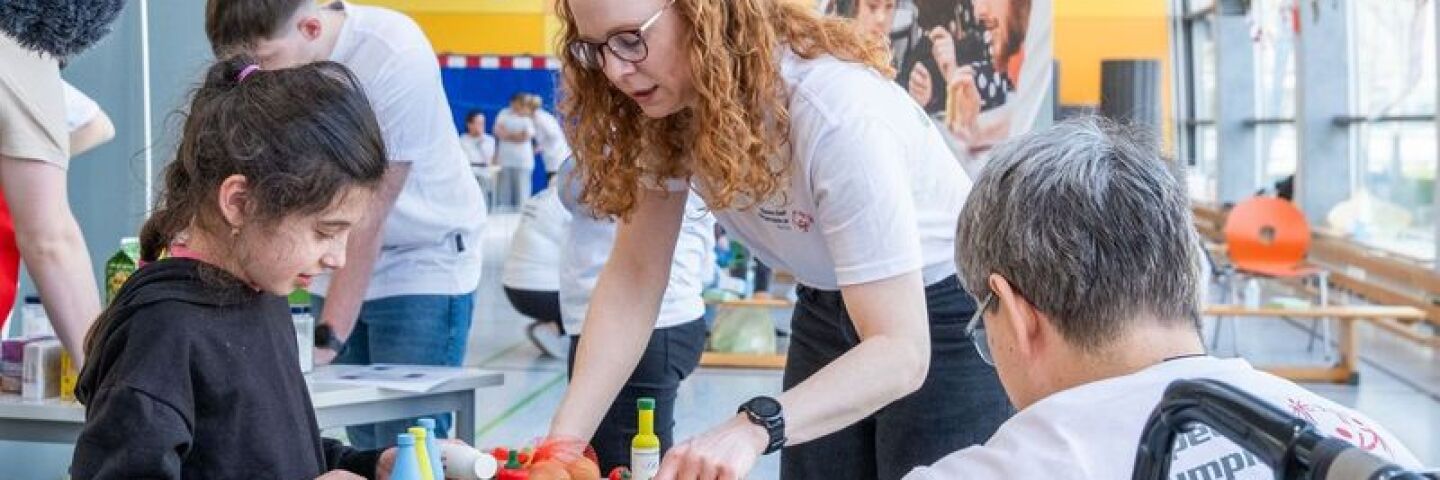
Special Olympics Inclusive Healthy Lifestyle Groups in Schools

Special Olympics Initiatives
Special Olympics Health initiatives - made possible by the Golisano Foundation, supported by Lions Clubs International Foundation, the European Union and other partners - directly address these inequities by advancing inclusive services and strengthening health systems. Between 2020 and 2025, the Special Olympics Europe Eurasia (SOEE) region delivered more than 75,000 free health screenings, provided over 3,700 prescription glasses, and trained over 8,000 healthcare professionals to better support individuals with ID. Nearly 95,000 people now participate in inclusive fitness programs, and more than 15,000 families have benefited from targeted health education.