




SOIYE aims to enhance the well-being, inclusion and empowerment of young people for Special Olympics youth leaders in the Erasmus+ area. This will be achieved through a series of targeted initiatives designed to create more inclusive communities and opportunities for participation. Aligned with the EU Strategy for Youth, the project promotes social inclusion, youth empowerment, and active engagement in civic and democratic life. By creating environments where youth leaders can learn, grow, and lead together, it supports a vision of a society where everyone has the opportunity to contribute and thrive.
Key objectives for the project is the expansion of the Unified Champion Schools programme, develop Youth Leadership Programme and develop stronger foundations for Special Olympics youth work across the Erasmus+ area. in National Programmes which brings together students with and without intellectual disabilities through sport, leadership, and educational activities. By encouraging collaboration, mutual respect, and understanding, SOIYE helps foster inclusive school communities and local communities where young people feel included and can contribute to decisions that impact on their lives.
As part of these activities, youth leaders will have opportunities to engage directly with European policymakers, including meetings with Members of the European Parliament and representatives of the European Commission. These experiences enable participants to share their perspectives, advocate for their needs, and contribute to discussions on inclusion and youth policy. Also, youth leaders will have the opportunity to partake in the Special Olympics Europe/Eurasia Leadership conference (November 2026)and give input into the key decision being made at the conference.
Through inclusive education, leadership development, and civic engagement, the project contributes to the implementation of the EU Youth Goals while helping to build a more inclusive, equitable, and welcoming society for all young people.

Inaugural Special Olympics European Week of Families Culminates in UN International Day of Families Celebrations
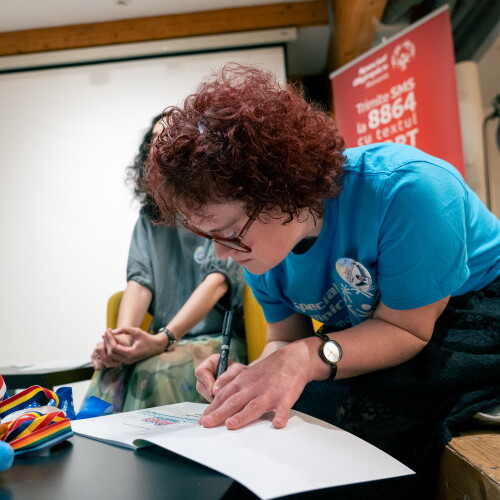
Special Olympics Romania Athlete Anca Miron Launches Her Very Own Children’s Book

“Our Experience and Niall’s Endeavours Have Given So Many Families Hope”
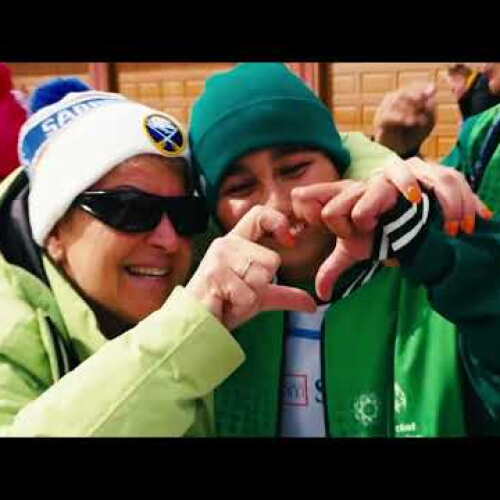
Inaugural Special Olympics European Week of Families Launches

Funded by the European Union. Views and opinions expressed are however those of the author(s) only and do not necessarily reflect those of the European Union or the European Education and Culture Executive Agency (EACEA). Neither the European Union nor the granting authority can be held responsible for them.