




Unified Schools
Unified Puzzle Challenge

Samriddhi
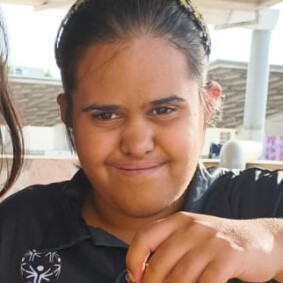
Ashi
Region
Asia Pacific
Program
Bharat (India)
Project Year
2025
Samriddhi and Ashi from Special Olympics Bharat (India) used the Unified Puzzle Challenge as a starting point to introduce and expand the Unified Champion Schools model in their community. By bringing students from 10 schools together to collaborate on an inclusion-focused activity, they helped build awareness and engagement around inclusive education. Their efforts helped get Unified programming off the ground in five additional schools and supported the establishment of one new Unified Sports Club, creating lasting opportunities for students to participate in inclusive activities.
About the Project
Each puzzle consisted of individual pieces that, when completed, revealed an image and a powerful message promoting inclusion. Through the activity, participants developed teamwork and communication skills while experiencing firsthand the value of working together toward a shared goal.
The Inspiration
Throughout the planning and implementation process, they also received invaluable guidance and encouragement from mentors, staff at Special Olympics Bharat and Special Olympics Karnataka, their school, community members, and the many participants who helped make the project possible.
The Project
The project exceeded its original objectives by expanding inclusive programming into five schools and establishing one new Unified Sports Club. To ensure the initiative would continue beyond the project period, the youth leaders also adopted a "train-the-trainer" approach, equipping educators and coaches with the knowledge and resources needed to sustain inclusive programming within their schools.
Project Impact
Project Leaders Reflection
Looking ahead, the youth leaders remain committed to expanding their impact through a more structured and intentional approach. They plan to grow the Unified Schools model by supporting additional schools in adopting inclusive practices while continuing to mentor future youth leaders. By equipping the next generation with the skills, confidence, and understanding needed to lead inclusive initiatives, they hope to create an even stronger and more sustainable culture of inclusion.