Facebook
Facebook
Google Plus
Instagram
Bing
Mail To
LinkedIn
Pinterest
Pinterest
Tumblr
Twitter
Youtube
magnify
Close
greater than
Quote
Facebook
Google Plus
Mail To
LinkedIn
Twitter
Bing
Find Special Olympics Near Me
Find Special Olympics Near Me
Find Special Olympics Near Me
We are helping to make the world a better, healthier and more joyful place—one athlete, one volunteer, one family member at a time.
Your Program
Based on your location, your local program is
%location%
.
Your location could not be automatically determined. Choose a program below:
Your Special Olympics Local Program:
Looking for a different local program? Choose a program from the list below:
Africa
Asia Pacific
East Asia
Europe Eurasia
Latin America
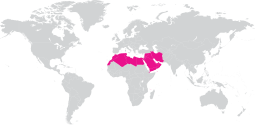
Middle East North Africa
North America
What We Do
What We Do
Sports
Special Olympics supports over 5 million athletes, unified partners, coaches and volunteers with over 30 Olympic-type sports.
Sport and Competition
Local and international year-round sports training and athletic competitions.
Inclusive Health
Improving the health and well-being of people with intellectual disabilities.
Youth & Schools
Empowering Youth Leaders, educators, coaches, and families to build inclusive schools and communities for all.
Inclusive Leadership
Unleashing leadership potential in people of all abilities.
The Revolution Is Inclusion
A peaceful campaign to end discrimination of people with intellectual disabilities.
Get Involved
Get Involved
Join Us
Become an Athlete
Information for Families
Find Your Program
Start a Local Club/Program
Volunteer
Volunteer
Become Event Staff
Become a Coach
Become an Official
Become a Unified Partner
Support Us
Ways to Donate
Partners of the Movement
Sport Partnerships
Law Enforcement Torch Run
Shop
Program Finder
Get in touch with us to volunteer, become an athlete, join a Unified Sports team, work as a coach and learn about upcoming events.
Read More
Stories
Stories
Athletes
Get inspired with stories of joy, perseverance, and achievement.
Community Impact
Learn more about the power Special Olympics has to make real change around the world.
In the News
Hear about Special Olympics impact from around the world.
Always On
Videos showcasing the Special Olympics movement around the globe.
Inclusion Revolution Radio
An athlete led podcast featuring athletes, partners, ambassadors, employees, and supporters of Special Olympics.
Novie Knows
Novie Knows, a subseries of Inclusion Revolution Radio, serves as an unscripted platform for host Novie Craven to provide her perspective, as a Special Olympics athlete, on the topics of her choosing.
Read More
Events
Events
Unified Football World Cup
Paris, France to host the third edition of the Unified Football World Cup from 6 – 11 July 2026.
Special Olympics World Games Santiago 2027
From October 16 – 24 2027, Santiago will welcome thousands of athletes, families, and fans from around the globe to celebrate unity, inclusion, and the power of sport.
Special Olympics World Winter Games Switzerland 2029
From March 10 – 17 2029, athletes will unleash the human spirit through the transformative power and joy of sport in Switzerland.
World Games Schedule and Results
Competition schedule, athlete schedule, and results.
Host an Event
Learn more about hosting an international Special Olympics event.
USA Games 2026
June 20 – 26, 2026 the 2026 Special Olympics USA Games will unite 3,000 athletes, 1,500 coaches, 10,000 volunteers, and 75,000 fans from all 50 states in Minnesota.
Read More
About
About
Purpose
Mission
About Intellectual Disabilities
History
Eunice Kennedy Shriver's Story
People
Leadership Teams
Board of Directors
Sargent Shriver Global Messengers
Ambassadors
More
Careers
Reports
Governance & Finance
Press Room
Shop
Donate
EN
Spanish
Find It Fast
Find job opportunities with Special Olympics
What sports does Special Olympics offer?
Contact Special Olympics
Find events near me
Ways to give to Special Olympics
Search
Search Results
Search
Open
Filters
There are
6,047
results that match your search.
There are
6,047
results that match your search.
Sort by:
Relevance
Newest
Oldest
Special Olympics Europe Eurasia
Russia
Special Olympics is a global organization that serves athletes with intellectual disabilities working with hundreds of thousands of volunteers and coaches each year. Since the establishment of Special Olympics in 1968, the number of people with and without intellectual disabilities who are involved with the organization has been growing, but the unmet need to reach more people with intellectual disabilities is staggering.
It’s at the local level—right here—where interested volunteers meet the athletes. That’s where the perceptions start to change and where the miracle of transformation takes place.
Special Olympics provides year-round sports training and athletic competition in a variety of Olympic-type sports for children and adults with intellectual disabilities. Those activities give them continuing opportunities to develop physical fitness, demonstrate courage, experience joy and participate in a sharing of gifts, skills and friendship.
Download the
Special Olympics Russia Fact Sheet
.
Press Releases
“Mission: Inclusion” Two Decades of Inclusion Through Service for Individuals with Intellectual Disabilities
Lions Clubs International and Special Olympics celebrate two decades of partnership.
Community Impact
Not Just Being Invited to the Dance, but Organizing it
I have been a volunteer with Special Olympics for more than two years now. As a youth leader, I work closely with the athletes of Special Olympics to advocate for a more inclusive society in India and around the world. The life lessons I’ve learned in the course of this journey have been invaluable.
Videos
Ponaganset HS: A Case Study
It takes a lot of work to be a Special Olympics National banner Unified Champion School. To do this, a school must meet the 10 standards of excellence. A great example is Ponaganset High School in Rhode Island. One of the reasons is Ponaganset High School created the Inclusion Pledge. This school created the pledge during the 50th anniversary of Special Olympics. Since then, the pledge has been taken around the world by supporters. Another part of being a Unified Champion School is showing the 3 components. The first component is Unified Sports. Another component is Inclusive Youth Leadership. Finally, the third component is Whole School Engagement. Altogether, the components create a strong and inclusive school. Watch to learn more about Ponaganset High School.
Community Impact
Powering the Special Olympics Health Program
For 22 years, Special Olympics has incorporated health programming and trained people to use their skills to provide free health screenings for athletes in more than 135 countries.
Athletes
Opening a Door to the World from Special Olympics Lesotho
Before Special Olympics, he wouldn’t have dreamed of stepping up to a podium stage to celebrate winning a medal.
Our Words
How Can YOU Treat People Differently?
A testimony by Paul Brooks, a Best Buddies Global Ambassador, an employee at the Bellagio Resorts and Casino through the Best Buddies Jobs program, and a Best Buddies Nevada Board Member.
Athletes
One Boy, One Village at a Time
Witness Aaron Banda's journey from being chained to becoming a valued part of his family and community.
Press Releases
Tom Golisano Gifts $30 Million to Special Olympics to Expand Critical Health Services Globally for People with Intellectual Disabilities
Special Olympics announced today that it has received its largest single private gift in the organization's 53-year history.
50 Game Changers
Rosas Law
In 2010, President Barack Obama signed “Rosa’s Law” which changed “mental retardation” to “intellectual disability” in US federal law. Inspired by nine year-old Rosa Marcellino, the law was a key component in the groundswell of advocacy efforts promoting inclusive, people first-language for people with intellectual disabilities.
Previous
Next