




Claudia Peña’s journey with Special Olympics began through her daughter, Paola, but quickly became a shared family experience, one where her family not only found community, but a deeper understanding of inclusion and resilience.
Claudia has been volunteering with Special Olympics Mexico for over 16 years and joined the Global Family Leadership Council (GFLC) in 2023. The GFLC brings together representatives from every Special Olympics region across and serves as the collective voice of families within the Special Olympics movement worldwide, helping to shape and strengthen global family engagement. The GFLC is committed to developing meaningful strategies, offering thoughtful feedback on family initiatives, and championing active family participation at every level.
This month, we’re sharing part three of a global series highlighting all seven members of the GFLC and their connection to health. Below, meet Claudia.
Claudia, a proud mother and an advocate for inclusion, first started her journey with Special Olympics when her daughter Paola was six years old. As a child, Paola was diagnosed with an intellectual and developmental disability (IDD) and epilepsy, and a few years later, diagnosed with autism. During those years, Claudia spent most of her time visiting therapists, doctors, and psychologists, and looking for a school that could support Paola’s needs. However, only a few options were available; others were too expensive, and many didn’t know how to support Paola.
Instead of giving up, Claudia took action. In 2006, Claudia founded a support center in response to the lack of educational centers for children with IDD. The center worked closely with families, children, and adolescents with IDD, designed training courses for teachers, and provided in-school support for children through shadowing services. During a meeting with different organizations, Claudia learned about Special Olympics and the programs Special Olympics offers. After hearing the stories of Special Olympics athletes, Claudia knew this was something she wanted to be a part of.
Soon after that meeting, Claudia and Paola joined Special Olympics Mexico and prepared for swimming, a summer sport offered by the Program. From participating in swimming, Claudia saw firsthand the transformation in every athlete as they participated in the sport, seeing them laugh, play, and connect with each other. She witnessed parents sharing advice and supporting each other, creating a space without judgement or stigma.
Since then, Claudia has become a dedicated volunteer—serving as a GFLC member, participating in the Special Olympics Latin America (SOLA) Family Program since 2016, and getting involved in Special Olympics Health programming.
Health is central to supporting individuals with IDD, yet families often encounter barriers such as limited access to healthcare services, financial constraints, and a lack of understanding among providers on how to treat and care for people with IDD.
Through Special Olympics Health programming like Family Health Forums and Special Olympics Healthy Athletes®, Claudia has seen real change. During a Family Health Forum, Claudia recalled the respect and commitment doctors showed to the athletes and their families. Claudia shared, “The doctors made them feel important and comfortable. Families were very happy to receive a kind of attention they weren’t used to.”
“It’s also important to mention that some families don't have the financial resources to buy eyeglasses or to take their children for regular check-ups. Most of the time, they only seek medical attention in emergencies or when there's a serious problem. And when parents are no longer around or become elderly, adult athletes often receive even less attention—unless a sibling or relative steps in. That’s why preventive health programs are so important."
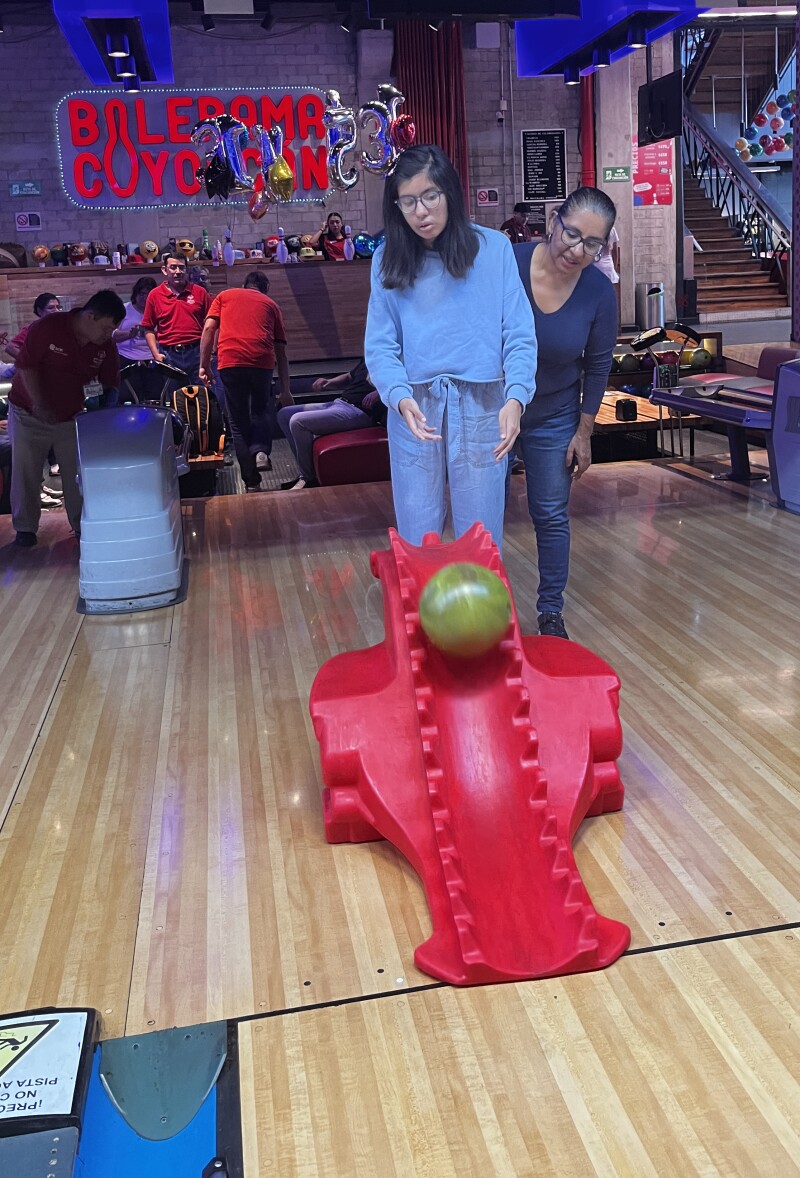
Today, Paola is 25 and enjoys bowling with athletes of all abilities. Claudia shared that this is one of the most powerful lessons Special Olympics has taught her: participation is inclusion.
Claudia and Paola’s journey is a powerful reminder of the strength and dedication families bring to the Special Olympics movement. Explore more stories and resources for family engagement.


