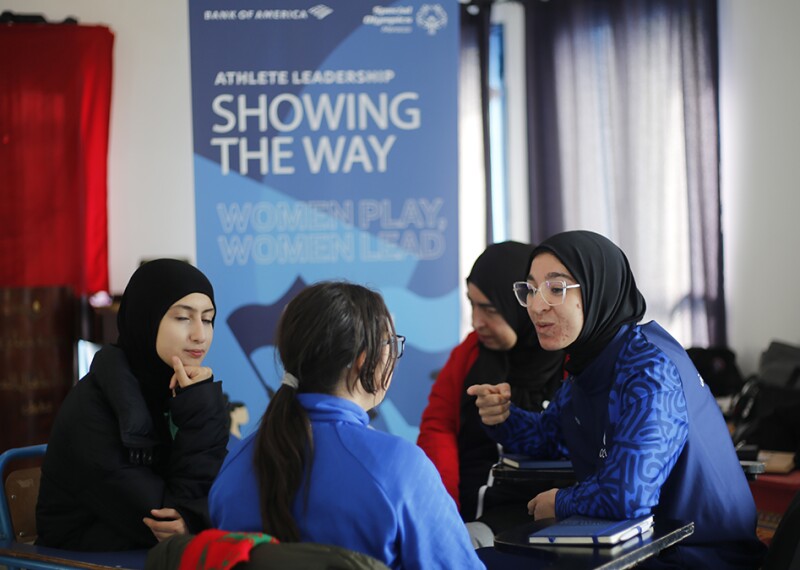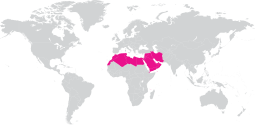


The first Special Olympics Middle East/North Africa Regional Unified Coach Training marked a powerful milestone, bringing athlete leaders and coaches together in a unified learning environment and preparing athletes to step confidently into coaching roles. Delivered in collaboration with the Sports team, this inaugural initiative equipped athlete leaders with the knowledge, safety awareness, and practical coaching skills needed to support others across gymnastics, equestrian, and Motor Activity Training Program (MATP), the same training standards completed by all coaches.
Focused on inclusive, effective sport environments, the program emphasized safety, calming techniques, communication, and teamwork. For many, it was the first time athlete leaders trained as coaches, and it went exceptionally well. Participants were focused, engaged, and even balanced training while competing.
Stepping Into Gymnastics Coaching
Laila Labib (Special Olympics UAE), Haneen Al-Misbah (Special Olympics Kuwait), and Ali Taher Al-Shaya’a (Special Olympics Kuwait) completed the training and stepped into gymnastics not only as athletes, but as assistant coaches.
With backgrounds spanning track and field, volunteering, and leadership development, they supported fellow athletes, built skills step by step, and continued growing within the sport by carrying passion, confidence, and strong ambition into their coaching roles.
“Gymnastics makes me happy and builds my confidence. I want to help other athletes feel the same,” said Laila. “My grandmother always said, ‘Don’t be afraid, be yourself and keep going toward what you’ve worked for.’ That’s how I lead.”
Leading in Equestrian
Equestrian athlete leaders Al-Khalil Al-Rawahi and Fatma Al Harthi (Special Olympics Oman), alongside Mohammed Al Tajer (Special Olympics UAE), completed training that prepared them to serve as assistant coaches, while some were also actively competing.
Through this journey, they focused on safety, calming athletes, and building confidence, helping riders progress skill by skill and strengthening the bond between rider and horse. It was a learning experience shaped by growth, responsibility, and belief in their path forward.
“This training matters for my future and for the athletes I support,” said Fatma. “I want to help athletes at all levels build skills and confidence. I’m proud of my team and how far we’ve come together.”
Inclusive Leadership
Spanning three sports at three trainings, this regional initiative strengthened coaching competencies while fostering collaboration between athlete leaders and coaches. By actively integrating athlete leaders into coaching structures, the program reinforced leadership development both on and off the field, and positioned athlete leaders as mentors, role models, and change makers. This inaugural effort sets the foundation for future regional trainings.