Please ensure Javascript is enabled for purposes of website accessibility
Find Special Olympics Near Me
We are helping to make the world a better, healthier and more joyful place—one athlete, one volunteer, one family member at a time.
Your Program
Based on your location, your local program is %location%.
Your location could not be automatically determined. Choose a program below:
Your Special Olympics Local Program:
Looking for a different local program? Choose a program from the list below:
In the News

Closing the Mental Health Gap for People with Intellectual and Developmental Disabilities

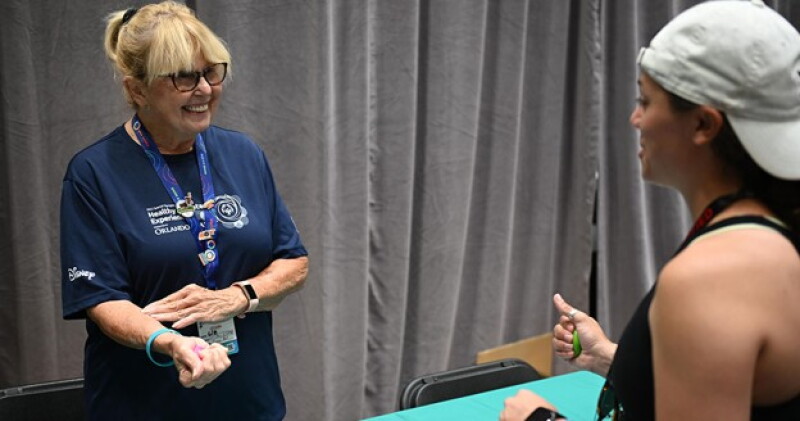
Two people facing each other talking
Special Olympics hosts Health Screenings and opportunities to learn about mental health.

Future of Personal Health captures the impactful work being accomplished by Special Olympics to mitigate the gap in mental health care for people with disabilities. The following is an excerpt from the article titled Closing the Mental Health Gap for People with Intellectual and Developmental Disabilities:

In 2009, Special Olympics Minnesota athlete Kayte Barton was struggling with her mental health and asked for help. However, as a person with autism, Barton quickly learned that seeking care did not guarantee her mental health needs would be fully understood.

“When I was struggling, I reached out for support,” Barton shared. “Too often, my disability was seen before my mental health. I wasn’t fully heard, and my needs were missed. That experience is painful, and it causes many people to stop asking for help altogether.”

Recommended Content

Special Olympics Global Health Report: Focusing on the Invisible

The Overlooked Needs of People with Intellectual and Developmental Disabilities and Actions to Strengthen Health Systems for Inclusion

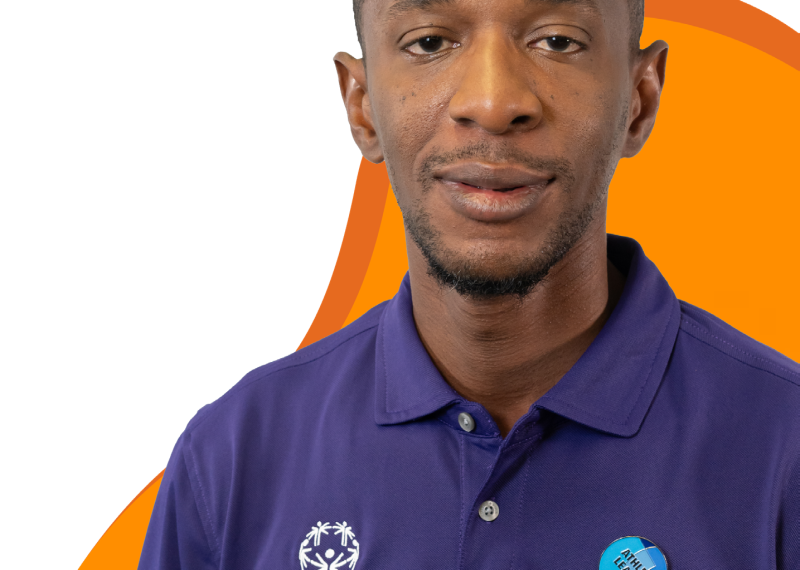
Letter from David Duncan

Dear Reader, It means a lot that you’re taking the time to learn about the health of people with intellectual and developmental disabilities (IDD), like me. Many of us aren’t living our best lives because we aren’t as healthy as we could be. This is because we are overlooked, invisible, excluded, and so are our needs.
2 Min Read