

Across the Special Olympics movement, siblings have always played an important role as supporters, advocates, teammates, and leaders. They cheer from the sidelines, celebrate achievements, help navigate challenges, and often become some of the strongest voices for inclusion. Yet, their experiences and contributions are not always recognized. To better understand the role siblings play and how Special Olympics can better support them, youth leaders and siblings from around the world recently came together for a global sibling roundtable.
The conversation brought together siblings with and without intellectual disabilities from Special Olympics Romania, Special Olympics Egypt, and Special Olympics Zimbabwe to share their experiences, challenges, and hopes for the future. The goal was to create a space where siblings could share their perspectives and help shape future opportunities.
Sky Riley, Senior Manager, Global Youth Development, who helped facilitate the discussion, said:
“Siblings are advocates, supporters, leaders, connectors across our Special Olympics movement. They help us speak up, navigate systems, explain why inclusion is important, why youth leadership is important to families, to schools, to communities, and to our peers.”
Throughout the conversation, one message became clear: siblings are not just supporters of athletes, they are leaders in their own right.
For many siblings, their Special Olympics journey began by standing alongside their brother or sister. Over time, that role evolved into something much greater, a partnership.
Anca and Mara Oprea from Special Olympics Romania have experienced that evolution firsthand. Mara, a Special Olympics athlete and swimming champion, began her journey with Special Olympics 15 years ago. Anca first joined as a volunteer, supporting Mara during competitions before becoming more deeply involved in youth leadership opportunities. Together, they served on the Special Olympics Europe Eurasia Regional Youth Leadership Council and later became co-chairs of the Global Youth Leadership Council.

Their experience through Special Olympics strengthened not only their leadership skills but also their relationship as sisters.
“We have done a lot of work together, and that experience alone has made us closer together and work through our differences,” Anca shared. “We can both really say that our relationship is much improved thanks to all the work we’ve put in for Special Olympics, and we’ve enjoyed all of it.”
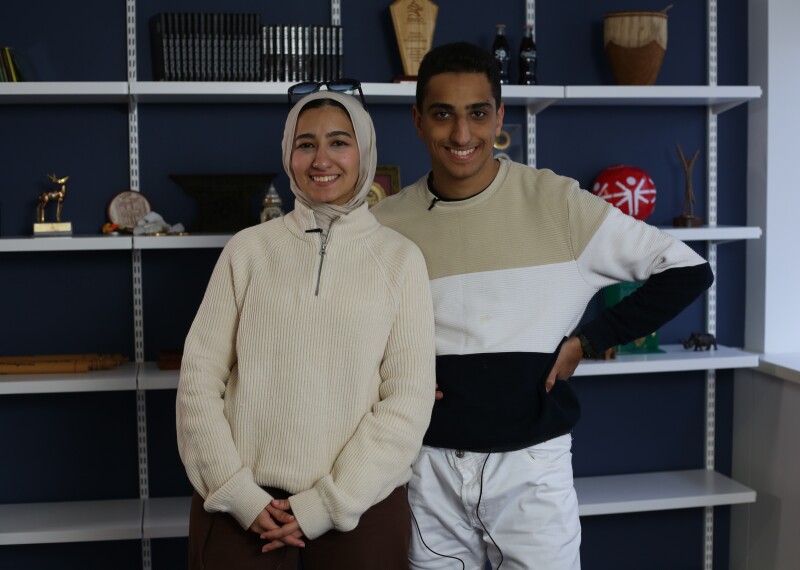
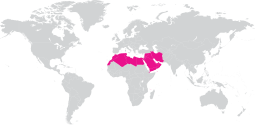
For Shahd Almowafy and her brother Abdurrahman from Special Olympics Egypt, Special Olympics created opportunities for them to grow together and see each other in new ways. Their shared journey included serving together on the Global Youth Leadership Council, where they represented the Middle East and North Africa region.

“Being part of Special Olympics with my brother has been one of the most meaningful experiences in my life,” Shahd said. “While he was playing, I encouraged him through the games and all these steps in his life. That strengthened our relationship and taught me a lot of things that shaped who I am today.”
Shahd also reflected on how her brother’s confidence and determination influenced her own growth.
“We’re not here only to support our siblings,” she said. “We’re here to learn from them. Watching him be brave and confident really encouraged me.”
For Vimbai Yolanda Njovo from Special Olympics Zimbabwe, leadership opportunities through Special Olympics allowed her to expand her impact beyond her own family. Through volunteering, advocacy, and leadership roles, she found opportunities to use her voice to support siblings around the world.
“I’ve had the opportunities to volunteer, to advocate on a bigger scale, and to serve in leadership roles,” Vimbai said. “It gave me a voice beyond just my own community in Zimbabwe and an opportunity to advocate for many other siblings apart from just my own sibling.”
While siblings have made significant contributions throughout the movement, participants also identified opportunities to create stronger pathways for involvement. Many shared that siblings are often welcomed as supporters but are not always recognized as leaders.
“Sometimes when we attend events, there’s a problem of being made a guest,” Vimbai explained. “There was no guideline of what it really means to be a sibling, that you’re not just a supporter, you are actually part of the movement.”

Participants emphasized the importance of creating more opportunities for siblings to connect with one another, access training, and better understand how they can contribute. They highlighted the value of sibling networks, mentorship opportunities, leadership development, storytelling platforms, and emotional support resources.
“I think this roundtable is a great example of what we need,” Shahd said. “I would really love to see a global network where siblings can connect and share their experiences and support one another.”
The discussion also highlighted the importance of recognizing the unique experiences siblings navigate within their families. Participants shared that while every sibling relationship is different, having the tools to communicate and understand one another is essential.
“I would emphasize the importance of mental health,” Anca said. “As a younger sibling, I would have benefited a lot from that. Having someone to give us tools to cope or manage our own feelings.”
The group also reflected on lessons they learned while working alongside their siblings.
“I wish I knew that she [Mara] has her own rhythm,” Anca said. “She needs more time to process things. I would have loved to know that I need to be patient and just let it sink in and let her process.”
“My sister would have wanted me to understand what motivates her and the kind of support she needs,” Vimbai said. “Sometimes she just wanted to be treated as the teammate and not as someone that needs to be helped.”
As the conversation continued, participants discussed what meaningful sibling leadership looks like. They agreed that true inclusion means ensuring siblings have a voice in shaping decisions throughout the movement.
Anca said:
“I think what we are doing now is a meaningful sibling leadership moment. Just having our voices heard and taking a seat at the table.”
“Having siblings on the Global Youth Leadership Council wasn’t just meaningful for us, it’s also meaningful for other siblings,” Shahd said. “It showed them that leadership opportunities exist for them too. They have a place in the movement beyond supporting their brother or sister.”
The sibling roundtable marked an important step in continuing to build a stronger global community for siblings within Special Olympics. By listening to sibling voices and creating opportunities for connection, Special Olympics can continue ensuring that siblings are valued not only for the support they provide, but for the leadership they bring.