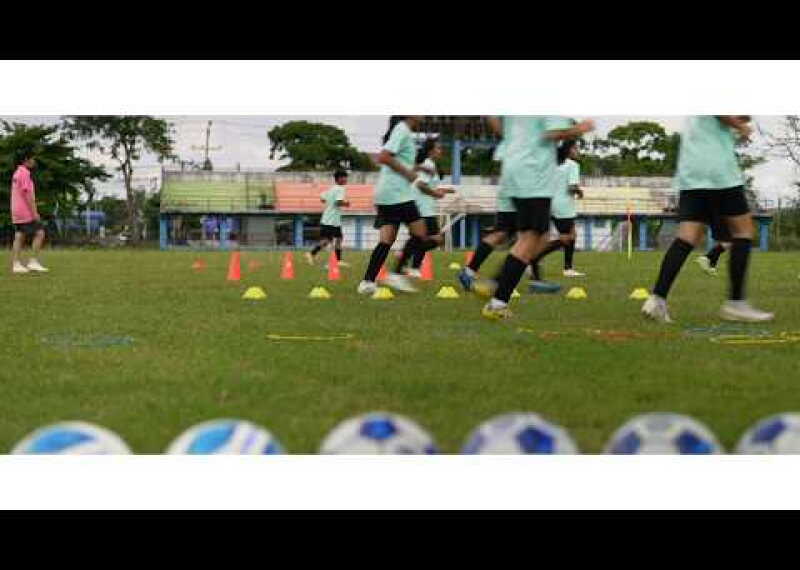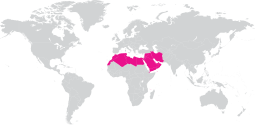


Special Olympics and its global grant partners continue to strengthen sport programming worldwide through strategic grantmaking. These grants provide funding needed to deploy educational experts, and to deliver logistical support and sport opportunities which help implement and sustain inclusive practices through sport in diverse communities across the world.
Special Olympics grant partners include ESPN, Gallagher, Jordan Spieth Family Foundation, Lions Clubs International Foundation (LCIF), Michael Phelps Foundation, Nestlé Health Science, Nike, Oswal Trust, TopGolf, Toyota, and Toyota Mobility Foundation.

Creating inclusive communities requires meaningful and dynamic investment. To do so, Special Olympics International (SOI) and its 208 national programs around the world utilize grants to create, implement, monitor, and maintain inclusive sport experiences for people with and without intellectual disabilities (ID).
Over the past two years, Special Olympics has continued to strengthen its position as a global leader in sport by distributing 180 sport grants, creating more opportunities for people with intellectual disabilities to learn, try, and compete. These extend far beyond the field of play, improving access to health, education, social inclusion, and overall well-being. Many receive care for the first time and others receive care equal to those without disabilities for the first time in their lives.
These grants also enable sport federations and sport clubs, from the grassroots level through to senior ages, to have more inclusive sport opportunities at all abilities and age levels. Federations bring expert knowledge and insight to Special Olympics national Programs that can be utilized and adapted to best serve athletes at all ability levels.
The Special Olympics Kenya Case Study
Throughout the past decade, Special Olympics Kenya fostered immense growth in their local programs, which presented them with a new and interesting dilemma. To serve the growth in athletes, the program needed more coaches—coaches with expert training. In response, they utilized a critical resource to not only conquer the challenge, but to elevate their game.
Over the 2024 – 2025 grant year, Special Olympics Kenya received grant funding from Toyota after delivering a development plan and sustainability model outlining their intended use of the funding, the desired outcomes, and their strategy to maintain these in the future.
With Toyota’s investment, Special Olympics Kenya conducted two Unified Football courses in collaboration with the Football Kenya Federation (FKF): the FKF Introductory course and the Confédération Africaine de Football (known more commonly as CAF) D License course. During the two courses, 31 coaches received training, 10 of which were women, taking away new insights and development strategies they did not have before.
Participating coaches in the courses were carefully selected from schools and local football clubs based on their previous engagement and Special Olympics knowledge, which demonstrated their commitment to inclusive practices in their community. Now, these coaches have improved their confidence and attitudes toward players with ID while also improving the quality and safety of their training environments.

Growth in MATP
Cyndi Mendoza, SOI Manager of Sport Grants and Projects, oversees the sport grant process at the global level and underscores the value, “Grants play an important role in helping Special Olympics Programs strengthen the quality of sport opportunities while reaching more athletes with intellectual disabilities. They also support coach training, helping build the skills and confidence needed to work with athletes with intellectual disabilities."
Continuing, “For example, targeted support for athletes with profound disabilities, such as the Motor Activity Training Program (MATP), has helped increase the number of athletes with profound disabilities accessing sport opportunities, as reflected in our census data. Grants also give Programs the flexibility to try innovative ideas and introduce new programming across the movement.”
Funding from the Lions Clubs International Foundation has driven meaningful growth in MATP, resulting in more athletes participating, a larger pool of trained coaches, and greater diversity in both participants and the locations where MATP programming is delivered around the world.
This expansion has also strengthened the quality of the annual census data collected, providing a more accurate picture of participation and enabling better planning, funding decisions, and resource allocation for the years ahead. The sustained increase in athletes benefiting from MATP demonstrates that this investment is creating a lasting impact, laying a stronger foundation for the program well beyond the initial two-year grant period.
“Grant funding has played a critical role in creating long-term sustainability of MATP by investing in shared infrastructure rather than short-term delivery alone. By supporting the development of scalable training pathways, accessible resources, and locally embedded coach and volunteer capacity, grants ensure that MATP sport can continue to grow.” Mourton added, “Grants have enabled Programs to train new personnel, expand athlete participation, and integrate MATP into schools and community settings. This approach has maximized return on investment by generating durable, system-level change that continues to deliver impact well beyond the grant period.”

Gallagher Support
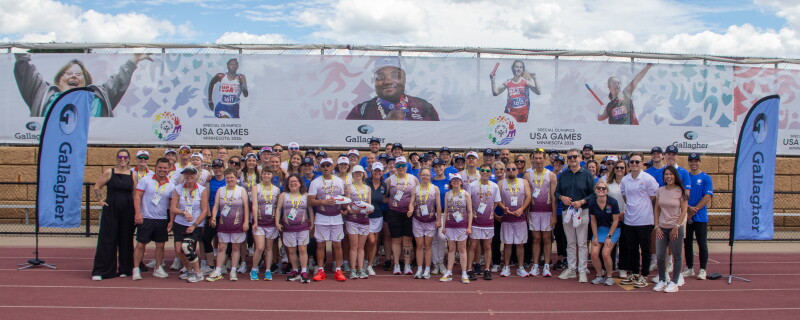
As the Special Olympics International Official Partner of Sport and Coaching, Gallagher invests in the global growth of athletics and badminton, contributing to more than 114,000 new athletes and 11,000 coaches in these sports worldwide. In 2025, that investment also included targeted sport and coaching grants awarded to 28 Special Olympics Programs, helping expand access to quality training, coach education, and competition opportunities in communities around the world
Gallagher supported these areas across athletics, badminton, various winter sports, coach education, and coach awards. Their collaboration embodies the spirit of Unified Sports which is when athletes with and without ID compete together, extending inclusion far past the playing field and signifying changed mindsets.
As part of their success, participating Special Olympics Programs achieved:
- Gallagher 2025 Coaching Grant Metrics:
- 806 New Coaches Joined
- 75 Coach Seminars Delivered
- 1,194 Online Coach Certifications Completed in 2025
- 8,207 Online Coach Certifications Completed to Date
- 759 Coaches Re-Certified
- Gallagher 2025 Sport Grant Metrics
- 1,418 Athletes Participated in Sport Opportunities
- 378 New Coaches Certified
- 367 Coaches Re-Certified
Special Olympics Pakistan's coach, Mubshad Irshad, who completed the coach education funded by Gallagher's grant shared, "I attended a two-day Coaches Clinic organized by Special Olympics Pakistan. It was a very informative and practical workshop where we covered different sports, including Bocce, Athletics, Powerlifting, Basketball, and Cycling. The sessions were very engaging, and the practical activities helped me understand better how to train athletes with intellectual disabilities. I learned new coaching techniques, rules, and ways to make sports more inclusive and enjoyable for every athlete."
Unified Sports Continue to Grow
From 2024 – 2025, there were an additional 28 Special Olympics Programs with active ESPN Unified Sports Grants: 20 in the United States and 8 international Programs. Each Program developed the skills and resources to deliver quality Unified Sports training & competition accessible to athletes and Unified partners in their communities. These ranged from developing new Unified Sports delivered through local schools, parks, and recreation organizations, to the support of Unified Sports teams who attended the World Winter Games in Turin, Italy, in 2025.
Consequently, there were 6,744 Unified Sports athletes and 4,335 Unified partners who joined the movement alongside 2,377 Unified coaches who were certified, and 620 Unified competitions took place because of ESPN’s grantmaking.
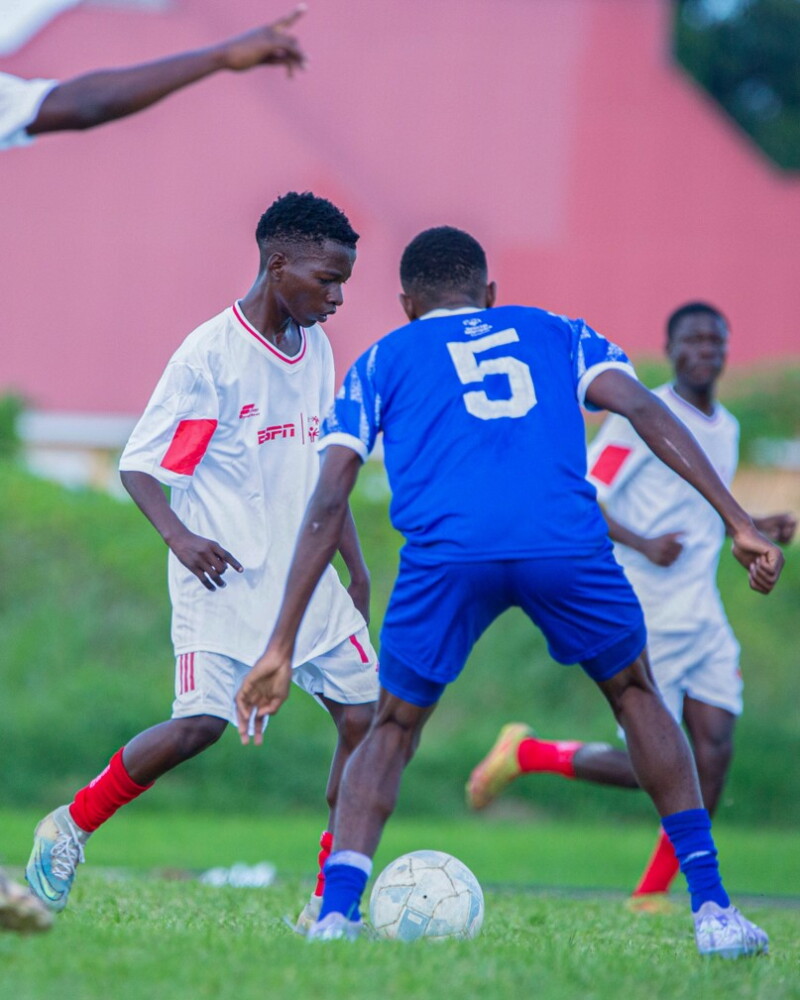
In Special Olympics Programs across the globe, ESPN supports the continued development of leading social inclusion efforts through the building of community-based Unified Sports leagues, and development of Unified tournaments and events.
As a result, this support has grown training opportunities for programs, coaches, and volunteers on the principle of meaningful involvement. This bedrock ensures that teams are composed to enhance the philosophy that every player has a significant role, a chance to play, and show their potential.
Global Picture
Grants play a vital role in progressing the movement's work and are the leading way in which Special Olympics enters diverse communities to make tangible contributions towards a more inclusive society. Without grants, Special Olympics would not be able to lay the educational or operational groundwork for sport opportunities to take shape, nor would athletes, coaches, staff, and volunteers receive the same high-quality, impactful programming which is the foundation for a lasting legacy of inclusion. The mission and goals of the Special Olympics movement are implemented into more communities around the world through partnering with external organizations who believe in the work and mission of Special Olympics around the world.
“Being part of sports changed my life. I made friends, learned to work as a team, and, most importantly, began to believe in myself. The first time I competed, I felt an overwhelming joy and pride I will never forget. Futsal gave me more than just sports skills, it gave me confidence and a new family,” shared a new
Thank you to all grant partners of Special Olympics for making the world a more inclusive place. Without your guidance, commitment, and support, the work of Special Olympics would not be possible.